
Neurofeedback
for Children
You Know How Your Child’s Day Went Before Anyone Tells You
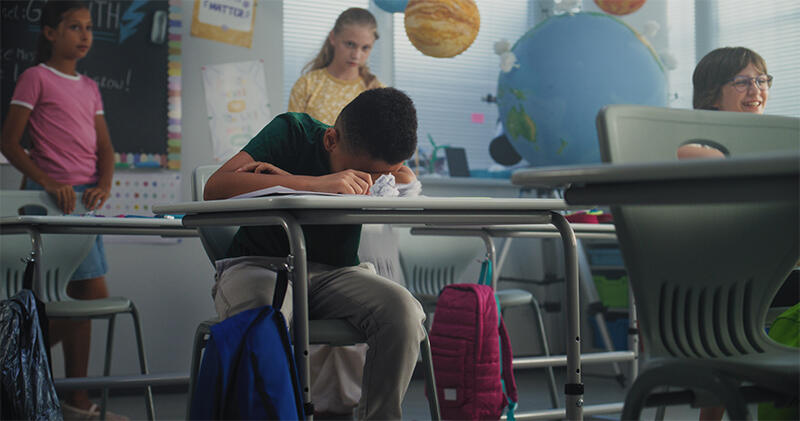
The note is folded into the front pocket of your child’s backpack, right where the last one was.
Following directions was hard again, and the whole thing came out as a tantrum in front of everyone.
On the days that stack up like this one, you feel like you’re losing your child, and somewhere underneath that, like you’re the one failing.
You love your child, and the behaviors in that note are not an accurate reflection of who your child is.
Your Child’s Alarm Has Been Ringing Where Nobody Can Reach It
Underneath it all, your child’s nervous system is running a fire alarm that will not shut off; nobody around your child knows where the switch is.
That alarm is what you’re hearing in the hitting, the biting, and the nightly fight over sleeping alone.
You’ve done your research, and you’ve already talked through the medication options with your pediatrician.
What you haven’t found yet is someone working at the level of the brain itself instead of the behavior sitting on top of it.
Your Child’s Brain Hasn’t Reached the Talking Part Yet
Cognitive approaches require a level of brain development and verbal capacity that most kids under 13 have not reached yet.
A seven-year-old can’t sit down and examine the thought that drove the meltdown, and there’s no shortcut around that.
What I can reach is the nervous system itself, which is where the root of the problem lives.
That’s where I start with every young child I see, using the Othmer Method neurofeedback I’m certified in.
Neurofeedback Is That Switch for Your Child
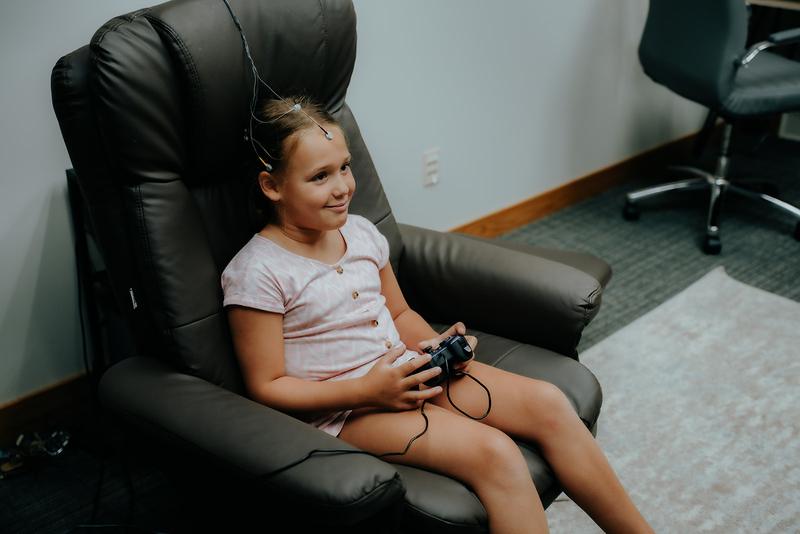
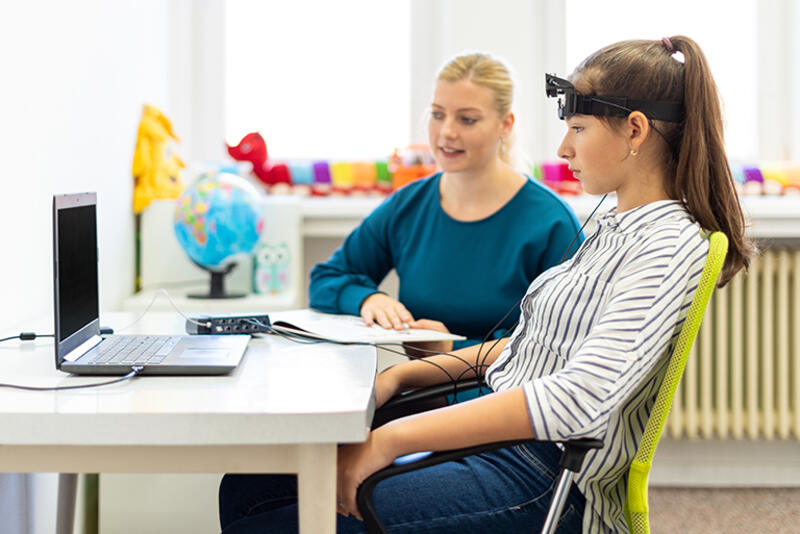
This works quite literally at the level of your child’s electrical activity, where the brain gets real-time information about its own rhythm and learns to hold a steadier one.
Nothing is put in, and nothing is done to your child from the outside.
Your child sits, and none of it depends on naming a feeling or explaining what happened at school.
Your read on your own child is what tells me where to go next, so I’ll want to hear what shifted at home, what held, and what surprised you.
Kids Are Still Kids, and Yours Gets to Be One
With the nervous system no longer on fire, the behavior you get at home is the behavior of a kid that age, ups and downs included.
Your child falls asleep faster and stays asleep, and the nightmares ease off.
When your child has an emotion, it is just that, an emotion, no longer a scene.
Disappointment appears, the fights between siblings quiet down, and what happens at school tomorrow stops running your thoughts all evening.
Get Your Child Started Toward Greater Regulation
Now is the time.
You don’t have to go on feeling like you’re losing your child and exhausted by the thought, because there is help and there is hope.
Reach out today for a free 15-minute consultation, tell me what you’ve been seeing at home and in the notes from school, and I’ll tell you whether this is the right next step for a child your child’s age.
Call me today at (616) 773-8303.
There’s a Way Forward, and You Don’t Have to Guess at It
Now is the time to take back your life.
Whether it’s your child, your teenager, or you, the first step is a simple conversation about what’s happening and whether this work fits.
Reach out today, and let’s help your brain start working for you.
Free 15-minute consultation. In-person in Kentwood, Michigan.